
Key Takeaways
- Always wear a DOT-approved helmet and full protective gear
- Prioritize visibility with high-visibility clothing and reflective elements
- Practice defensive riding, especially at intersections and in heavy traffic
- Perform routine maintenance before every ride
- Stay current with New York motorcycle laws
Riding a motorcycle in New York offers a mix of open-road freedom and complex urban challenges. From dense city traffic to changing weather and varied road conditions upstate, safety must remain the top priority on every ride. Preparation, awareness, and consistent habits make a significant difference in reducing risk.
If you or someone you know has been hurt in a motorcycle crash, consulting an NYC motorcycle injury lawyer can be critical for understanding your rights.
Understanding New York’s Unique Road Conditions
New York’s road network ranges from congested Manhattan streets to winding rural highways. Each environment presents distinct hazards:
- Urban areas often involve aggressive drivers, frequent stops, limited visibility, and unpredictable pedestrians
- Upstate and rural routes may include potholes, road debris, wildlife, and sudden changes in pavement quality
- Weather can shift quickly, creating wet or slick surfaces with little warning
Before riding, check the weather forecast and review your route for construction or temporary hazards. Staying adaptable and alert is essential.
Essential Protective Gear
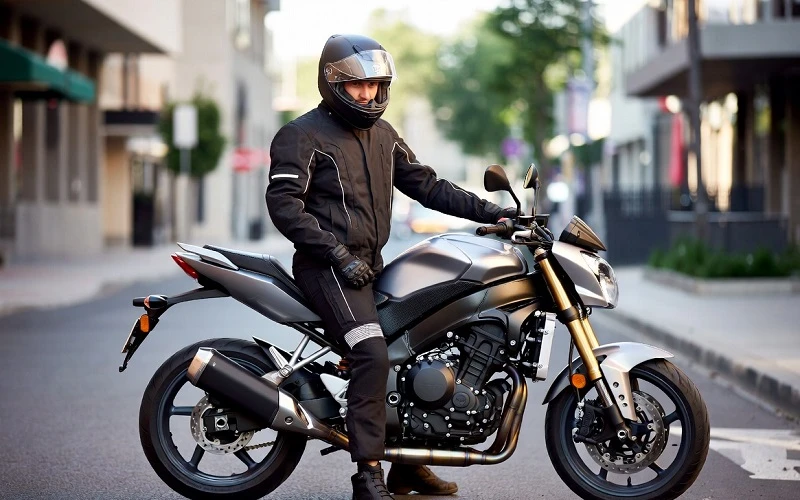
New York law requires all motorcycle riders and passengers to wear a DOT-approved helmet. Beyond legal requirements, proper gear significantly improves both safety and comfort:
- A well-fitting DOT-approved helmet
- Abrasion-resistant jacket and pants
- Sturdy gloves
- Over-the-ankle boots
- High-visibility or reflective clothing, especially in low light or heavy traffic
- Eye protection (visor or goggles) to shield against debris, dust, and insects
Quality gear reduces injury risk in a crash and helps other road users see you more easily.
Mastering Defensive Riding Techniques
Defensive riding is critical in New York’s mixed and often unpredictable traffic. Key habits include:
- Maintaining a safe following distance to allow reaction time
- Approaching intersections with extra caution, as many collisions occur there
- Scanning continuously for hazards and anticipating the actions of other drivers
- Practicing emergency maneuvers such as controlled stops and swerves so they become automatic
These skills improve confidence and help riders respond effectively when situations change suddenly.
Routine Motorcycle Maintenance
A well-maintained motorcycle is far less likely to fail when it matters most. Before every ride, check:
- Tire pressure and tread condition
- Brake function
- Lights and signals
- Fluid levels (oil, coolant, brake fluid)
Address small issues early—worn brake pads, low oil, or loose components—before they become serious problems. Regular professional servicing also helps keep the bike reliable over the long term.
Staying Current with New York Motorcycle Laws
Following the law protects both you and others on the road. Important points for New York riders include:
- Helmets are mandatory for both rider and passenger
- Lane splitting is illegal
- Headlights must remain on at all times while riding
- Specific rules apply regarding passenger age and positioning
Reviewing official guidance from the New York State Department of Motor Vehicles helps ensure you stay informed about current requirements.
Improving Skills Through Rider Education
Formal training benefits riders at every experience level. Programs such as those offered through the New York State Motorcycle Safety Program cover essential skills including:
- Emergency braking and handling
- Safe turning techniques
- Street strategies and hazard recognition
Some advanced courses include on-road instruction and personalized feedback. Completing training can also lead to insurance discounts and helps riders stay sharp as traffic patterns and motorcycle technology evolve. Refresher courses every few years are a smart investment.
Building Safer Riding Habits Over Time
Consistent preparation creates safer rides. Protective gear, defensive habits, regular maintenance, and ongoing education form the foundation of motorcycle safety in New York. Staying aware of local traffic patterns and legal requirements further reduces risk.
Many riders also benefit from connecting with local motorcycle communities. Sharing experiences, route knowledge, and practical tips can improve awareness and encourage safer habits across the riding community.
Final Thoughts
Motorcycle riding in New York can be both rewarding and demanding. Treating safety as a continuous practice—rather than a one-time checklist—helps riders enjoy the road with greater confidence and lower risk. Proper gear, defensive skills, reliable maintenance, and respect for local conditions and laws all contribute to safer journeys.